 Go back




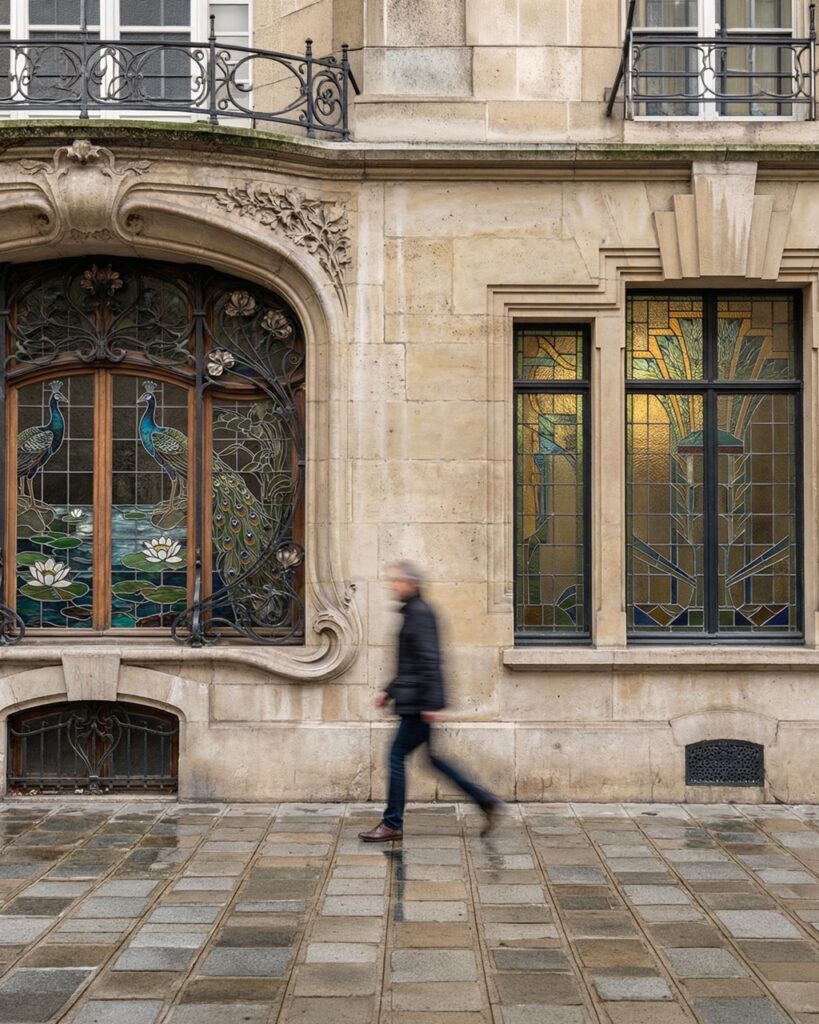
When we talk about Vintage flavour, we often tend to lump everything together.
All it takes is an elegant decoration or a “quaint” design, and the generic label of “Vintage” is immediately applied.
In fact, two of the most captivating styles in the history of design—Art Nouveau and Art Deco—originated from very different visions.
Art Nouveau draws inspiration from nature, from movement, from lines that branch out like a branch or a petal.
Art Deco, on the other hand, seeks order, rhythm, symmetry, geometry, and a more sophisticated form of modernity, often associated with luxury and metropolitan elegance.
The first is more organic and fluid; the second more decisive, graphic, and architectural.
Both have left an indelible mark on the world of design and furnishings, but confusing them means losing an important part of their charm.
The Art Nouveau style
Liberty, the name by which Art Nouveau is known in Italy, established itself between the end of the nineteenth century and the early years of the twentieth century, roughly until the First World War.
It is an international style but expressed in local forms: in France it is called Art Nouveau, in Austria Secession, in Catalonia Modernisme.
Its most recognisable feature is its inspiration drawn from the natural world: stems, leaves, flowers, wings, sinuous female forms, undulating lines, and patterns that seem to grow like living organisms.
Main characteristics
In the Art Nouveau style, decoration is not a superficial addition; it often blends into the very structure of the object.
Even when the design is detailed, it never looks “heavy”; rather, it has the dynamism of something that seems alive.
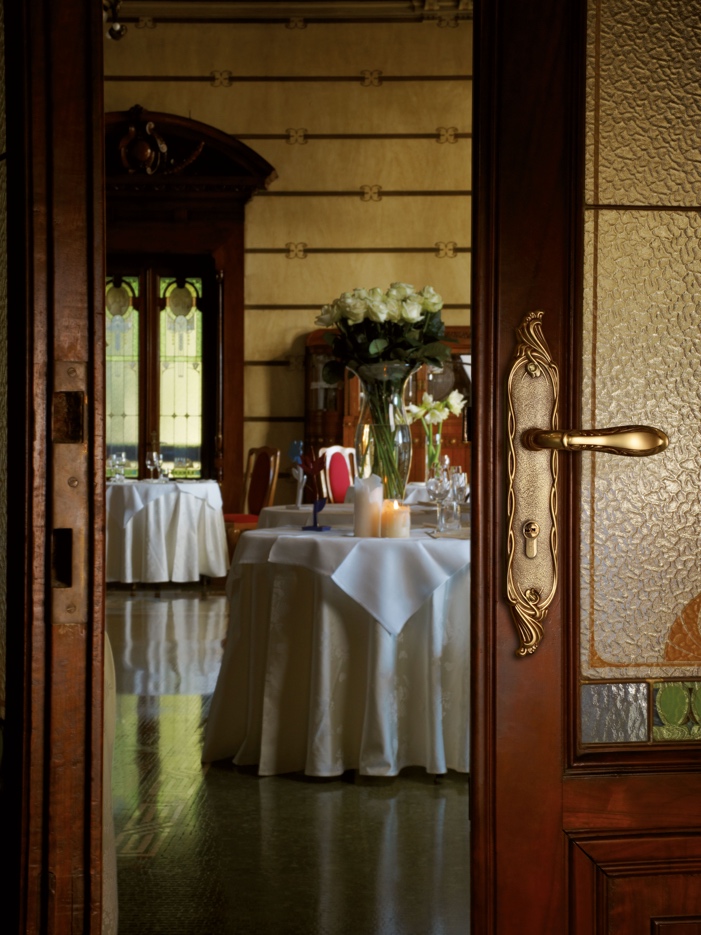
This applies to furniture, lamps, railings, wallpaper, and even functional elements such as handrails, seats, and, of course, handles.
Some curious anecdotes
One of the most interesting aspects of Art Nouveau is that it often did not distinguish between architecture, furniture, and decoration: most designers wanted to control everything, down to the last detail.
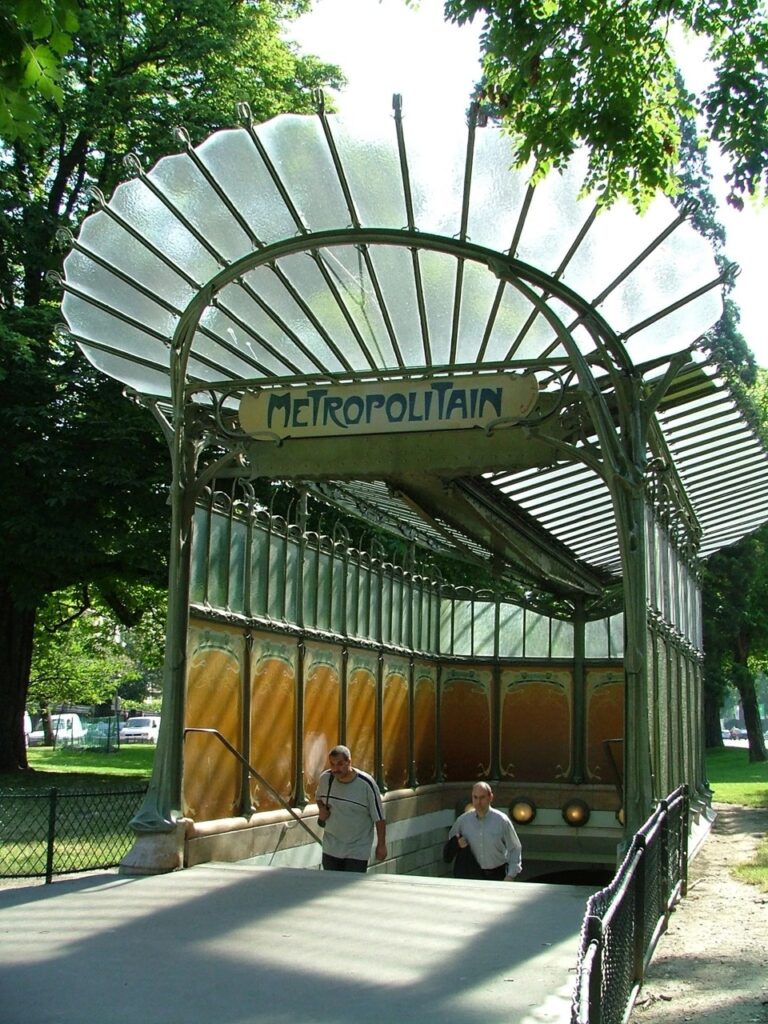
Hector Guimard, for example, has remained famous for the entrances to the Paris metro, which have become an absolute symbol of Art Nouveau thanks to their vegetal and almost “organic” shapes.
In Barcelona, on the other hand, Gaudí took the Modernist aesthetic to the level of an almost visionary fantasy: today, Casa Batlló is considered one of the finest examples of the movement.
The Art Deco style
While Art Nouveau embraces the curves of nature, Art Deco favours geometry, contrast, rhythm, and composition.
The name derives from the Exposition Internationale des Arts Décoratifs et Industriels Modernes held in Paris in 1925, an event that played a key role in establishing and popularising the Art Deco style.
Its shapes became the symbol of a new elegance, more urban, closer to luxury and architecture.
Main characteristics
Art Deco favours simplified forms, clean lines, strong geometries, zigzag motifs, rays, fans, stepped profiles, and symmetries.
Even when natural forms are depicted, such as animals, flowers or human bodies, they are treated in a more stylised and decorative manner than Art Nouveau. Indeed, it is a style that values visual impact but with greater formal discipline.
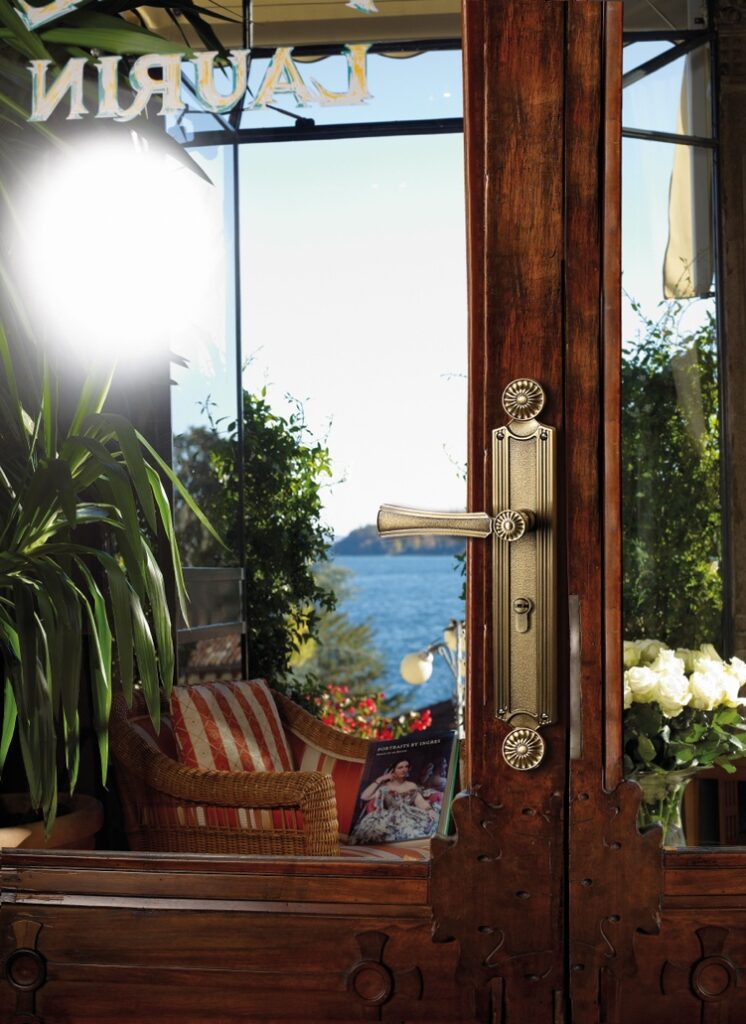
The same style that distinguishes the Daisy collection of handles and accessories.
Some curious anecdotes
A fascinating case is that of the Palais Stoclet in Brussels: completed in 1911 and designed by Josef Hoffmann, it is today considered by UNESCO a work, that, although it emerged during the period of the Viennese Secession, it foreshadowed Art Deco and Modernism thanks to its rigorous geometry and its holistic approach to design.
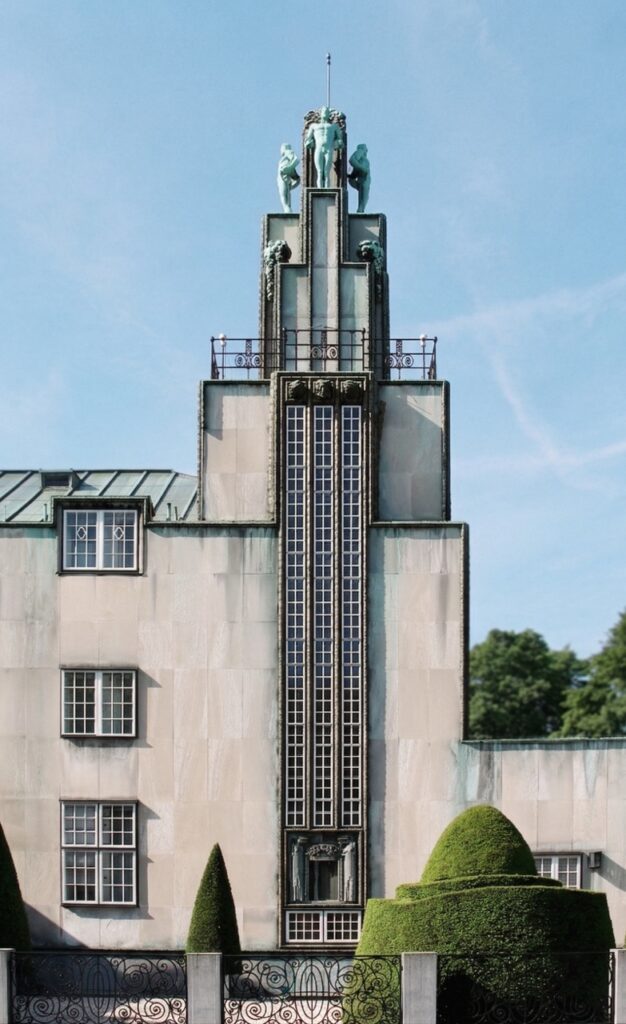
However, Art Deco was not just a “parlour style.” Its imagery has also been associated with travel and luxury on the move, as evidenced by the legend of the Orient Express, an emblem of opulence, craftsmanship, and luxury.
In synthesis
Art Nouveau and Art Deco have one fundamental thing in common: both transform the daily object into an item of style.
Jut like Linea Calì handles.

