Go back




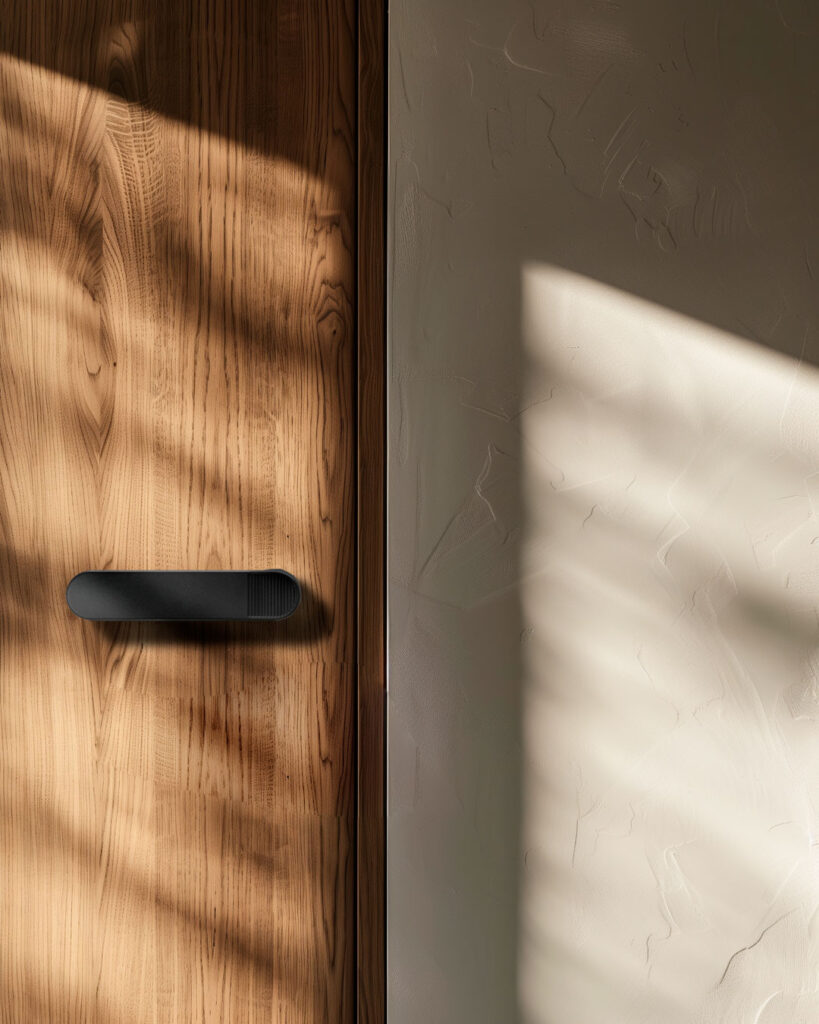
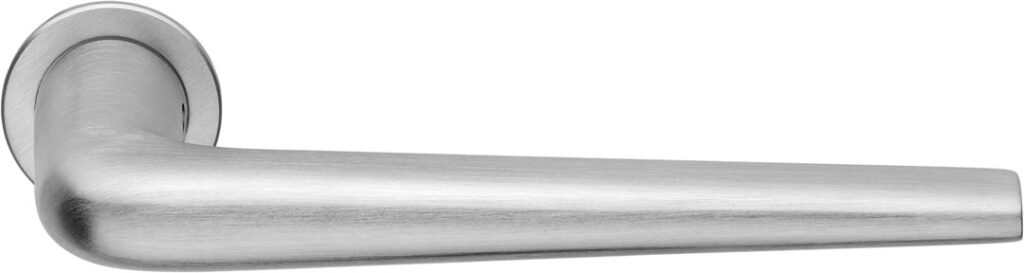
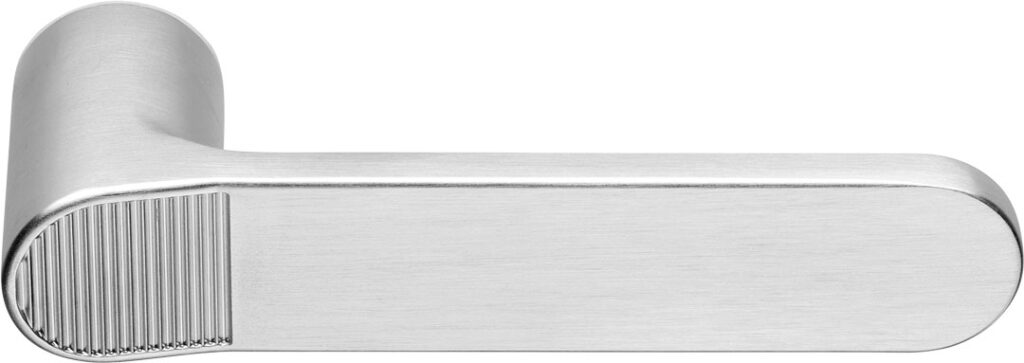
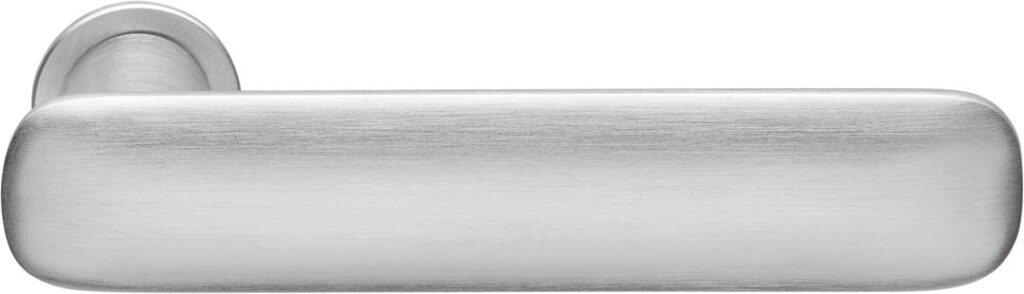
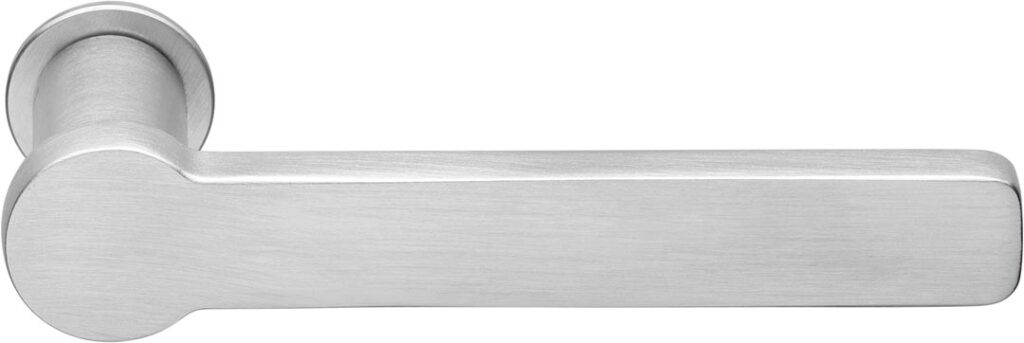
In the landscape of interior door handles, a clear and widespread trend has emerged strongly in recent years: the handle without a rose.
A choice that may seem minimal at first glance, but actually contains a concentration of formal research and visual clarity.
But where does this trend come from? And above all: on which doors is it used? And in what settings does it show itself best?
An architectural choice, before being a decorative one
In an era where smooth, continuous, and uninterrupted surfaces dominate contemporary interiors, even accessories become essential.
The handle without a rose was therefore created to meet a very specific need, to minimize the visual impact on the door surface.
Removing the rose means integrating the handle into the architectural design, giving the door greater formal purity.
Where are they used? And on which doors?
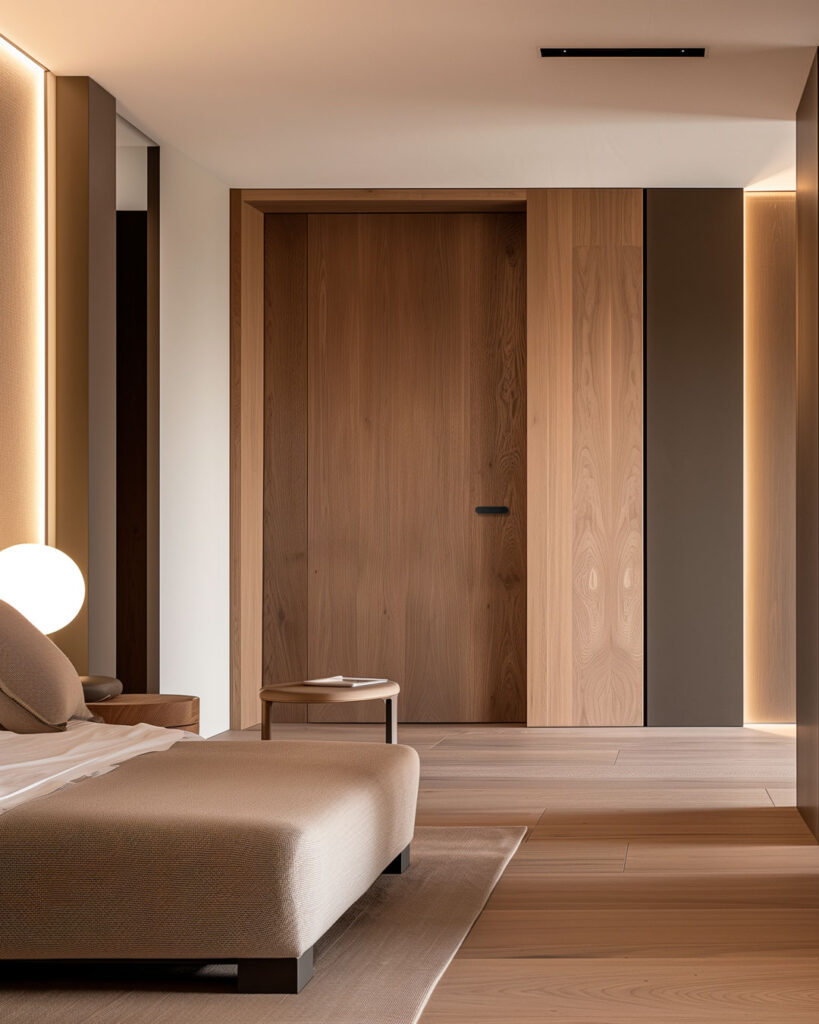
Handles without a rose are mainly fitted on flush doors or on doors with concealed hinges.
They are the ideal choice when:
- you want to camouflage the door into the wall, with matching paint or coordinated wallpaper.
- you want to maintain continuity between multiple doors, without variations in visual appearance.
- looking for an accessory that doesn’t steal the spotlight, but complements it harmoniously.
They are often also chosen for smooth wooden doors or full-height doors, without visibile frames or jambs. In these cases, the handle without a rose enhances the design as a whole.
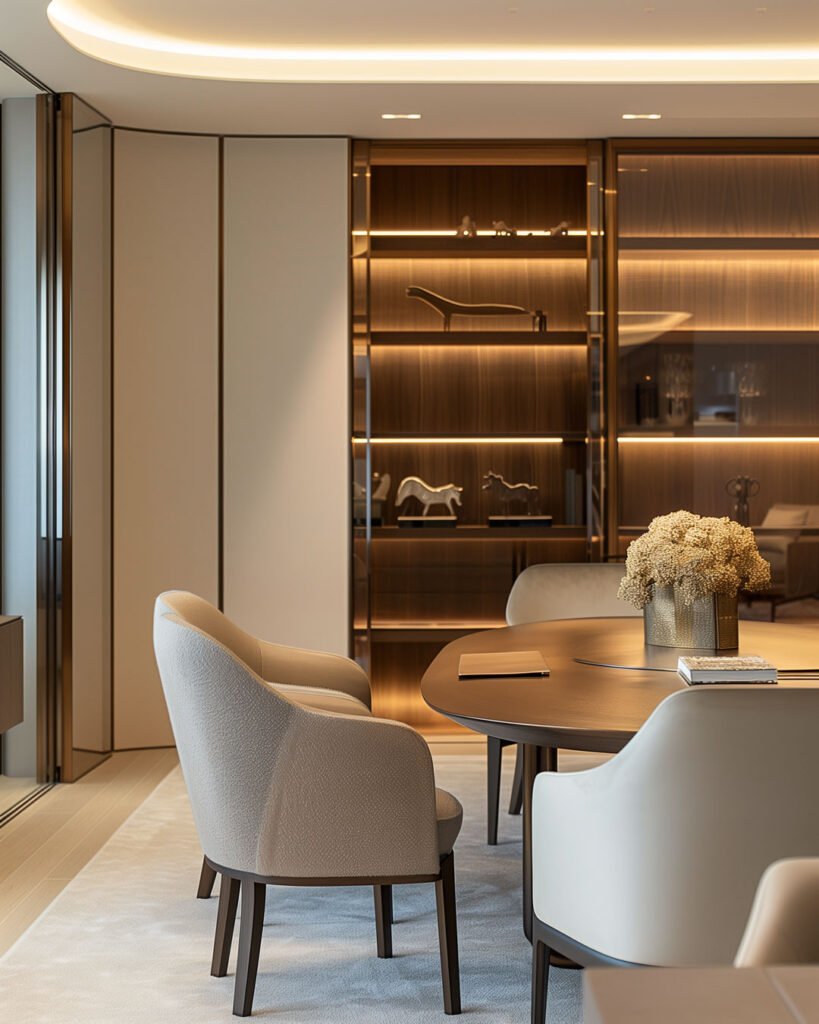
Furnishing types that are good matches
The handle without a rose perfectly matches:
- essential contemporary environments, characterized by matt, warm, or cool finishes
- minimalist interiors, without decorations
- furniture with seamless designs, such as continuous paneling
On the other hand, it does not find its place in classic, rustic, or country settings, where the handle needs to be decorative.
The Linea Calì proposal